
Last Updated on April 27, 2026 by Arlena Whitford
Animal dander affects around 30% of the population — crazy, right? And yet most pet owners don’t realize their own dog or cat could be the trigger. The itch keeps coming back. The vet bills? Stacking up. You switched to that expensive hypoallergenic food. Nothing changed. Not a thing.
Here’s a straight guide on animal dander — how to spot what’s setting your pet off, tone down the symptoms, and actually improve skin health. These approaches come from what veterinary dermatologists actually use in practice. Not theory.
In seeking information on animal dander allergies, owners often aim to understand the triggers and effective management strategies for their pets. These management protocols are typically integrated into the daily routine, including environmental controls and dietary adjustments. Consistency in monitoring symptoms is a standard practice for managing canine sensitivities and ensuring effective long-term care. Look, I’ve seen this fall apart more times than I can count — owners do it for a week and then quit.
At-a-Glance: Clinical Summary
Understanding Animal Dander and Its Impact
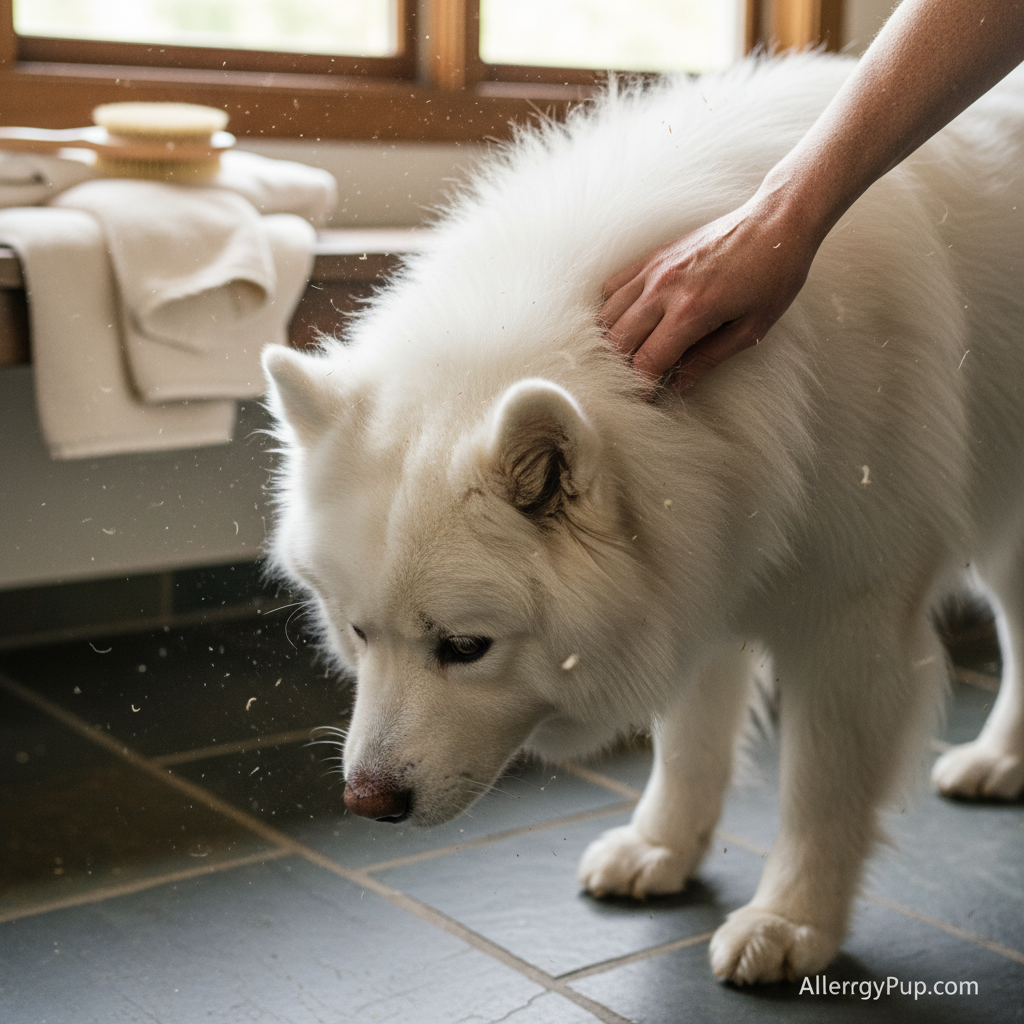
Animal dander isn’t what most people think. Those tiny skin flakes, dried saliva, even urine proteins — they float around when pets groom themselves. The stuff gets airborne, lands everywhere, and the immune system goes haywire. Typical signs? Hives show up. Rashes appear. That persistent scratching never stops, and suddenly it’s affecting everyone in the house, not just the pet.
Clinical Insights on Allergic Responses

The body flags these proteins as invaders — classic histamine response. That’s the sneaky part. Dogs develop dermatitis, skin gets gnarly inflamed, they lick constantly. Chronic exposure? The epithelial barrier wears thin. Then bacteria waltz in, making things way worse. I’ve seen dogs itch for 18 months straight on “hypoallergenic” grain-free — culprit was cross-contaminated lamb from the same factory line. Not kidding.
I’ve had clients come in with dogs who’ve been on elimination diets for six months — still itching. Nine times out of ten, cross-contamination in the kitchen. That “safe” spoon touched the regular food bowl, game over. Owners hate hearing this but it’s usually something dumb like that.
1. Identify the Symptoms of Animal Dander Allergies

Catching the signs early makes life easier. Watch for:
- Hives: Raised, angry welts. Appear fast.
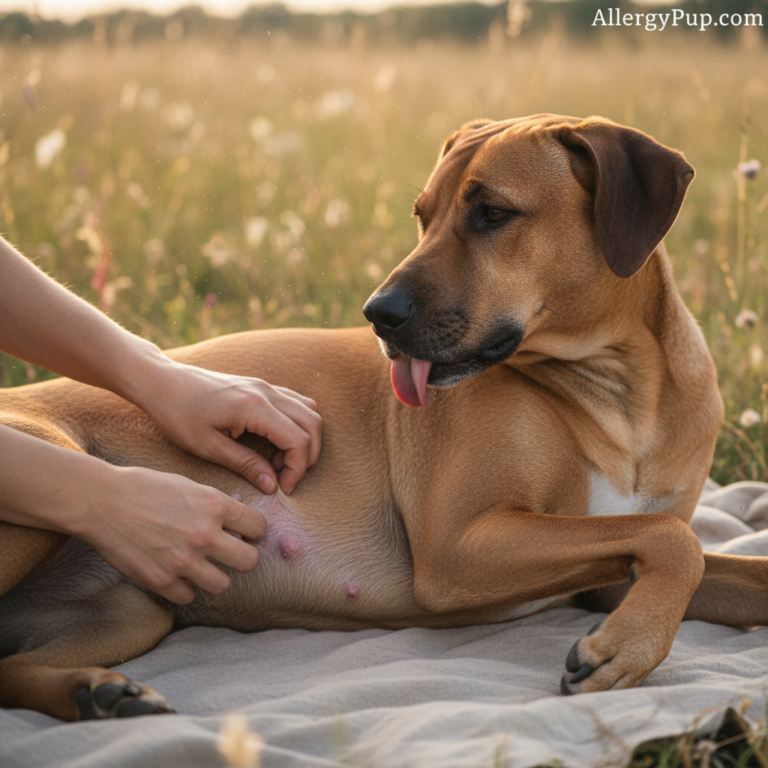
- Dander Rash: Dry, flaky zones on the belly, the groin — all the soft spots.
- Scratching: Persistent. Gets heavy. Leads to secondary infections you really don’t want.
Jump on these quick. Don’t let it drag into a mess. Works every time — almost.
2. Keep Your Home Dander-Free
Cleaning matters. A lot.
- Vacuum Often — with HEPA filters. They actually trap micro-particles.
- Wash Bedding every week. Hot water kills the dander.
- Air Purifiers help a ton. Decent ones filter airborne junk all day.
It’s routine work. But nine times out of ten, it cuts symptoms in half. Simple as that. Really.
3. Consult a Veterinary Dermatologist
If symptoms stick around? Go see a specialist. Struthers or a board-certified dermatologist can run skin testing and uncover what’s driving the reaction. The word ACVD after their name means they trained for this.
Arlena’s Insight:
Truth is, general vets do fantastic work, but for stubborn animal dander cases? You need the specialist. It’s tedious, sure, but it works.
4. Consider Nutritional Adjustments

Diet matters for inflammation. But don’t think every “allergy kibble” is a cure.
- Omega-3 Fatty Acids — fish oil can tone down inflammatory stuff mostly dependably.
- Limited Ingredient Diets — they remove common triggers so the body can settle.
Work with your vet using AAFCO feeding standards. But look — some so-called hypoallergenic foods still have cross-contamination issues. (And yes, that includes the “grain-free” ones.) Client swears it’s environmental — elimination trial later and boom, beef was the trigger all along.
5. Implement Environmental Changes
Don’t underestimate this. Counter-intuitive but essential.
- Designate Pet-Free Zones — especially bedrooms. Gives everyone a breathing space.
- Frequent Grooming outdoors — brush them in the yard, not the living room.
These near-constant interventions cut exposure significantly. Took me years to convince people it’s worth it. From what I’ve seen in practice, it’s the one thing owners slack on.
6. Use Veterinary-Approved Medications
Topical treatments, antihistamines, sometimes corticosteroids — these manage the intense discomfort reactive skin causes. But absolutely do not wing it with dosing.
Clinical Standard:
Antihistamines are decent for milder flare-ups. Corticosteroids? Powerful — but long-term usage has drawbacks. Usually worth the relief short-term. Every patient is different. That’s why you need eyes on it.
7. Monitor and Adapt Over Time
Allergy management never stops completely.
- Keep a Journal — seriously, write down when flares happen and what changed.
- Follow-Up Visits — regular check-ups let your vet re-evaluate plan.
Watch the pattern shift. Tweaking approaches depending on season, stress, exposure.. it’s underappreciated but so necessary. End of story.
Expert Summary
Dander allergies shred quality of life for the pet — and everyone nearby. Honest truth: you need multiple angles. Find the triggers, change the environment, check the food, talk to your vet consistently. The individual plan is hard work, not magic. Keep at it.